

Tick Season Is Back — And Most Pet Owners Miss the Early Signs

⚡ TL;DR – Quick Safety Summary
- •Tick season starts in early spring and peaks through summer
- •Ticks can transmit diseases before you notice them
- •Early symptoms are subtle or easy to overlook
- •Daily checks are one of the most effective ways to protect your pet
- •If you find a tick, remove it quickly and monitor for symptoms
Spring shows up like a grand reopening of the outdoors 🌸🌿 Grass stretches back to life, trees burst into bloom, and the air fills with birdsong and that fresh, earthy smell we all missed.
But while nature is waking up in all the best ways… it’s also rolling out the welcome mat for less charming guests.
Ticks, fleas, and other parasites are coming out of dormancy right alongside environmental risks that come with more outdoor time. And as pets spend more time outside—running, sniffing, exploring—they’re exposed to more than just fresh air.
From hidden parasites to contaminated water and even minor injuries, early-season risks tend to show up quietly.
And that’s where things get tricky for pet owners.
Ticks are one of the most common—and most overlooked—of these risks. They’re small, silent, and easy to miss… but they can cause serious issues before you even realize they’re there.
You might also be noticing:
- a limp after a walk
- something your dog picked up from a puddle
Tick Risks, Signs, and What to Do
🧩 When Does Tick Season Actually Start?

Tick season doesn’t wait for summer. It begins quietly as temperatures start to rise.
- Starts: Early spring (March–April)
- Peaks: Late spring through summer
- Extends into fall
- In mild climates: can be active year-round
👉 Many pets are exposed before owners even think about ticks
🧩 Why Are Ticks Dangerous for Pets?
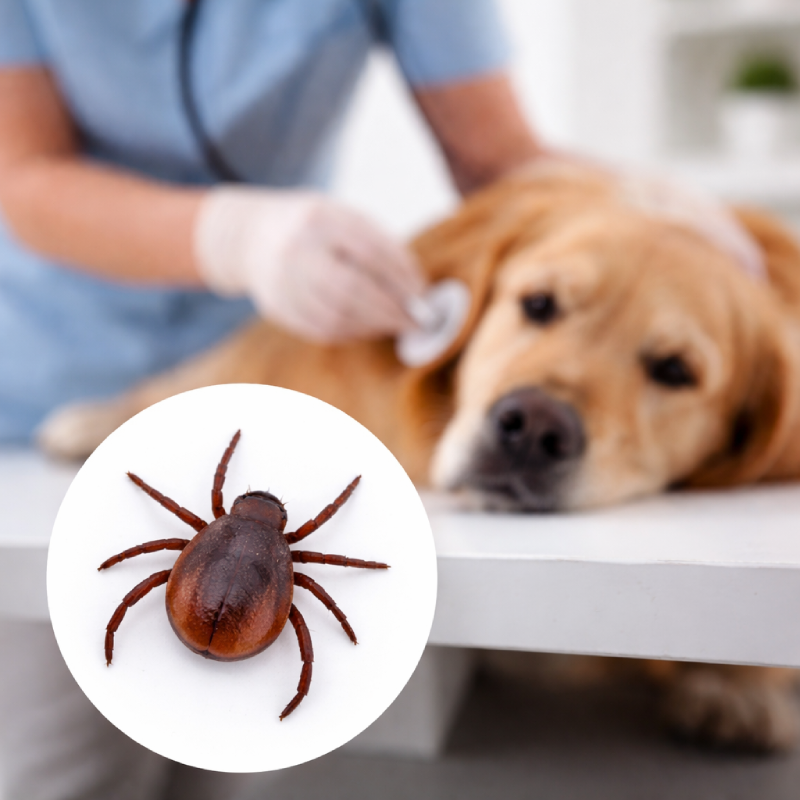
Ticks feed slowly and silently, which gives them time to transmit disease.
- Can carry Lyme disease
- Can transmit Anaplasmosis
- Transmission may happen before you notice the tick
- No obvious bite reaction in most cases
👉 The danger isn’t the bite — it’s what comes after
🧩 What Early Signs Do Pet Owners Miss?

Early symptoms are subtle and easy to dismiss.
- Low energy or unusual tiredness
- Mild fever
- Reduced appetite
- Stiffness or reluctance to move
Often mistaken for:
- “Just a lazy day”
- Aging
- Minor soreness
🧩 Where Do Ticks Usually Hide on Pets?
Ticks don’t stay in obvious places. They go where they won’t be disturbed.
- Around ears
- Under collars
- Between toes
- Armpits
- Groin area
- Around eyes and mouth
👉 Focus on warm, hidden areas
🧩 What Should You Do If You Find a Tick?
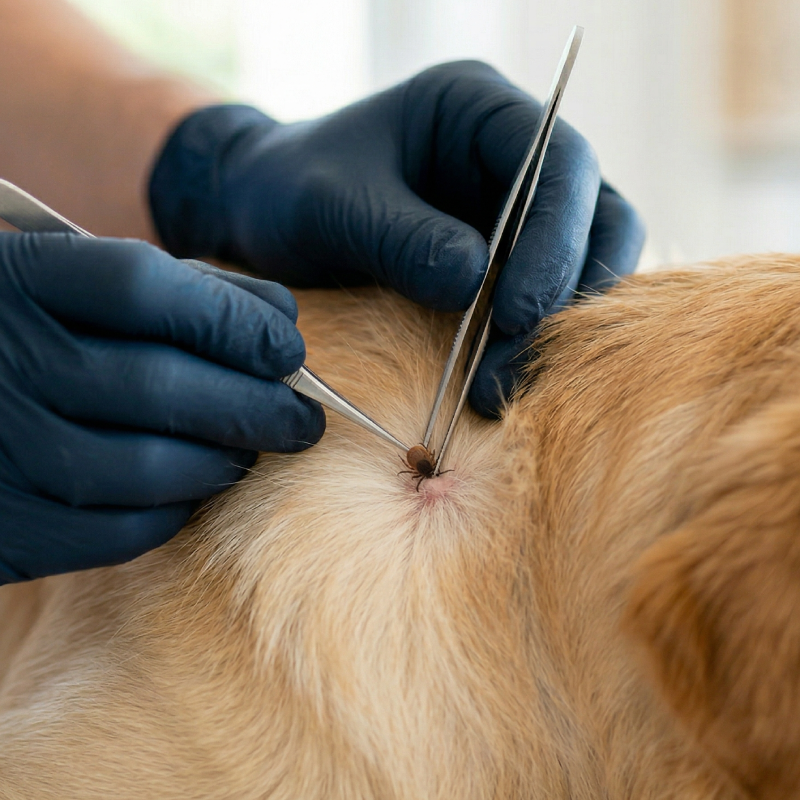
Quick, proper removal reduces risk.
- Use fine-tipped tweezers
- Grab close to the skin
- Pull straight out slowly
- Clean the area afterward
- Wash your hands
🚫 Avoid:
- Twisting
- Burning
- Using oils
🧩 When Should You Be Concerned After a Tick Bite?

Not every bite leads to illness, but monitoring is key.
- Watch for 7–14 days
- Limping or stiffness
- Fever
- Swollen joints
- Lethargy
- Loss of appetite
👉 If anything feels off → contact your vet
Tick Prevention Basics
Daily Checks
 After walks or outdoor time, do a quick scan of your pet, especially in hidden areas.
Preventative Treatments
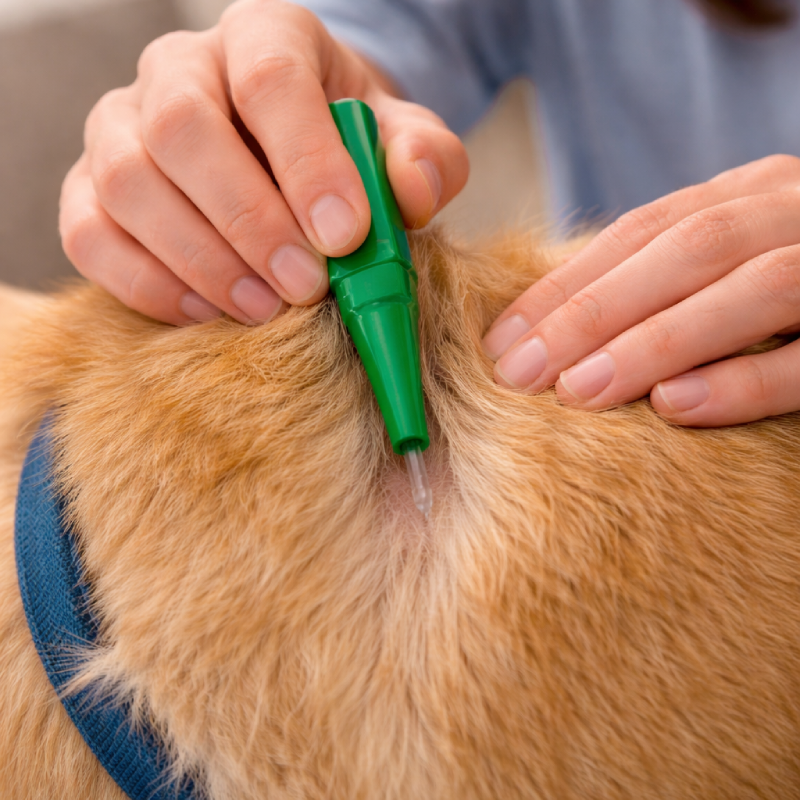 Monthly preventatives can significantly reduce the risk of tick attachment and disease.
Yard Awareness
 Ticks thrive in tall grass and brush, keeping your yard trimmed helps reduce exposure.
Sponsored Placement