The Raw Diet Debate: What Science Says About Feeding Raw Food to Pets

⚡ TL;DR – Quick Safety Summary
- •Raw diets can include raw meat, bones, organs, and raw eggs or vegetables
- •Proponents point to shinier coats, cleaner teeth, and smaller stool
- •Major veterinary organizations warn of high pathogen risk (Salmonella, Listeria)
- •Nutritional imbalance is a common risk in home-prepared raw diets
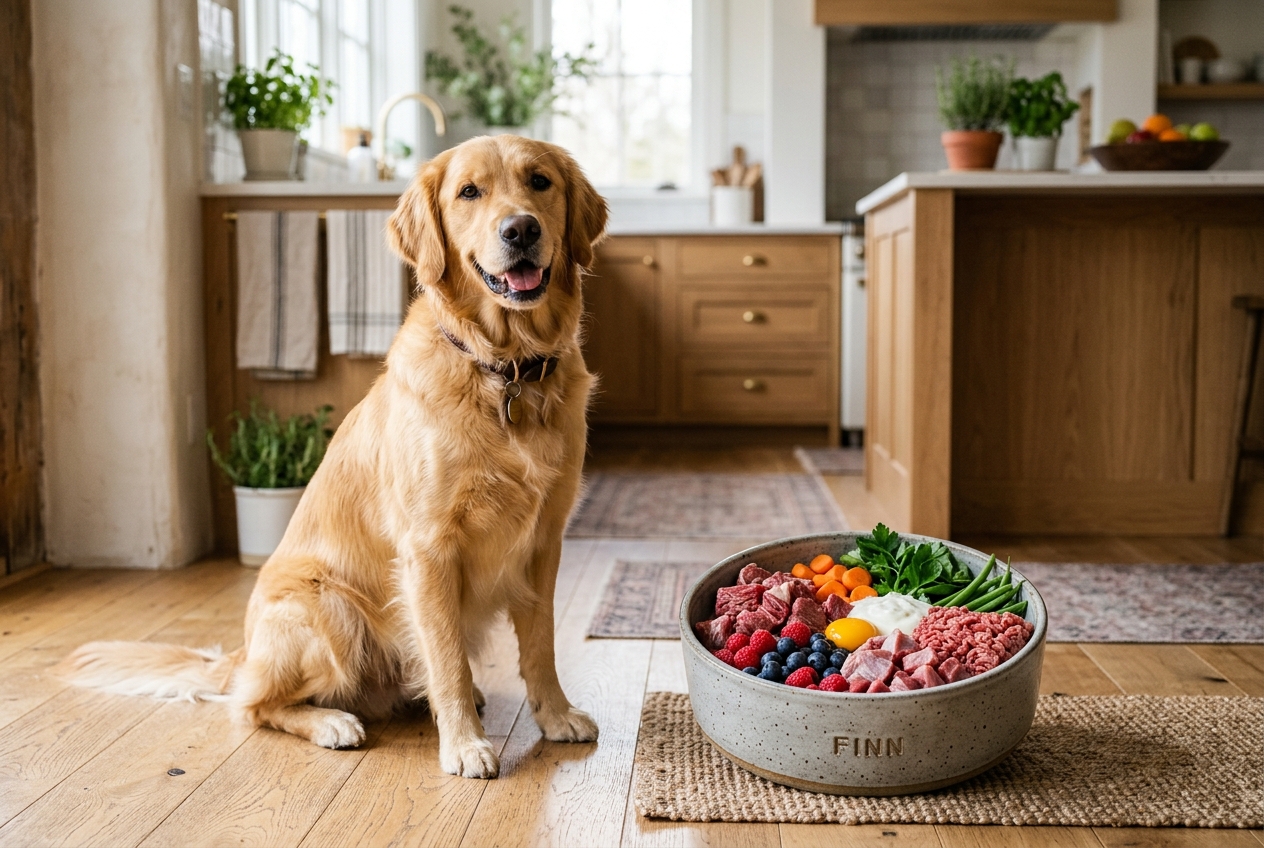
In recent years, the raw food movement has taken the pet world by storm. Walk into any pet store, and you’ll see freezers packed with raw meats, raw bones, and organic meal patties. Proponents promise that a raw diet—often referred to as BARF (Biologically Appropriate Raw Food)—unlocks a pet’s true evolutionary potential, resulting in vibrant energy, a glowing coat, and superior health.
However, if you ask major veterinary associations, the response is often caution or outright warnings.
So, what does the science actually say about the raw diet debate?
The Premise: Evolutionary Diet vs. Domestication
The core argument for raw feeding is evolutionary: dogs and cats are carnivores, descendants of wild wolves and feline hunters who ate raw meat and bones. Proponents argue that their short digestive tracts and highly acidic stomachs are perfectly designed to digest raw food and handle bacteria.
While this is true in theory, domestic dogs have co-evolved with humans for thousands of years, developing genetic differences—such as the ability to digest starches—that wild wolves lack.
The Claimed Benefits
Many pet owners who feed raw report significant positive changes:
- Smaller, Firmer Stool: Because raw ingredients are highly digestible, the body absorbs most of the nutrients, leaving less waste.
- Improved Coat and Skin: High levels of fresh fats and proteins lead to a shinier, softer coat and reduced shedding.
- Dental Health: Chewing raw bones can naturally scrape plaque off teeth, reducing bad breath.
The Scientific Concerns
Major veterinary groups—including the American Veterinary Medical Association (AVMA) and the FDA—warn against raw feeding due to two primary risks:
1. Pathogen Contamination (Bacteria)
Raw meat can carry bacteria like Salmonella, Listeria, and E. coli. Because pets groom themselves and lick their owners, these pathogens can easily spread to humans, posing a severe health risk to children, elderly family members, or anyone immunocompromised.
2. Nutritional Imbalances
Formulating a balanced raw diet at home is incredibly difficult. Studies of home-prepared raw diets have shown that many are deficient in calcium, phosphorus, zinc, and essential vitamins. Over time, these imbalances can lead to serious bone, joint, and metabolic diseases, especially in growing puppies and kittens.
3. Injury from Bones
While raw bones are softer than cooked bones, they can still splinter, leading to fractured teeth, choked airways, or tears in the stomach or intestinal lining.
The Verdict: How to Feed Safely
If you are determined to feed raw, take these steps to mitigate the risks:
- Choose Commercial Raw: Opt for commercially prepared raw diets that use High-Pressure Processing (HPP) to kill bacteria while preserving nutrients.
- Consult a Veterinary Nutritionist: Work with a professional to ensure the recipe is complete and balanced.
- Practice Strict Hygiene: Treat raw pet food like raw chicken—wash hands, bowls, and surfaces with soap and warm water immediately after handling.
Sponsored Placement